
Which White?
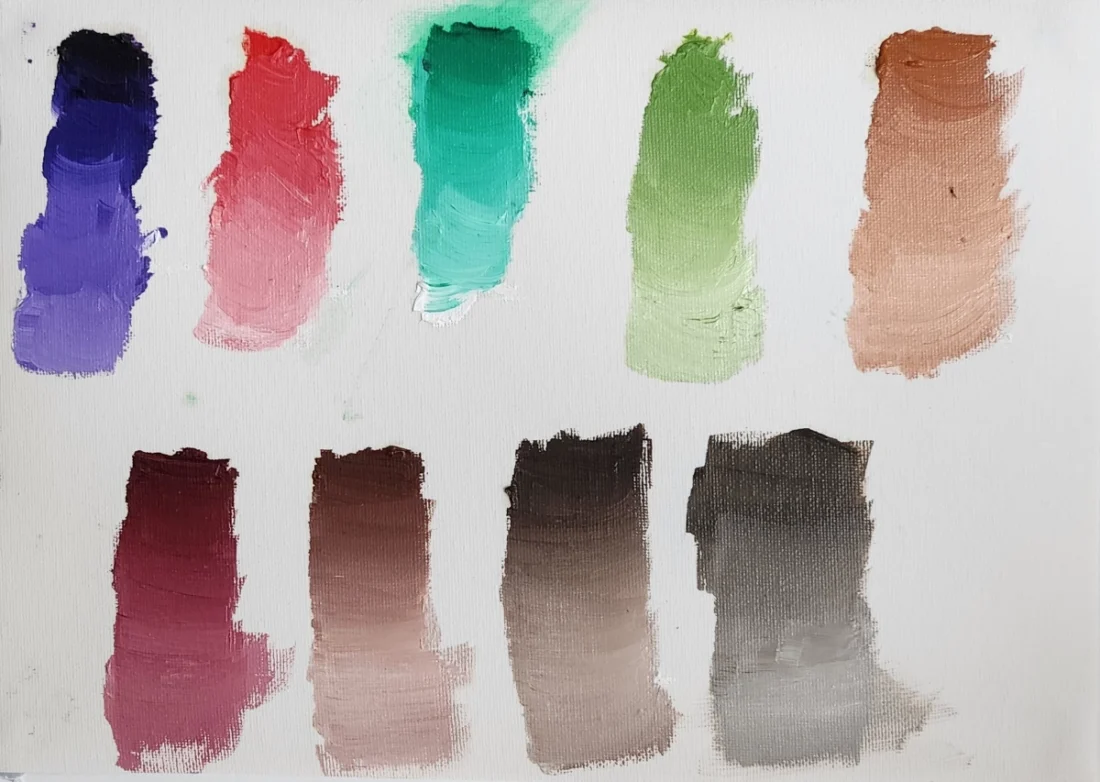
Titanium White
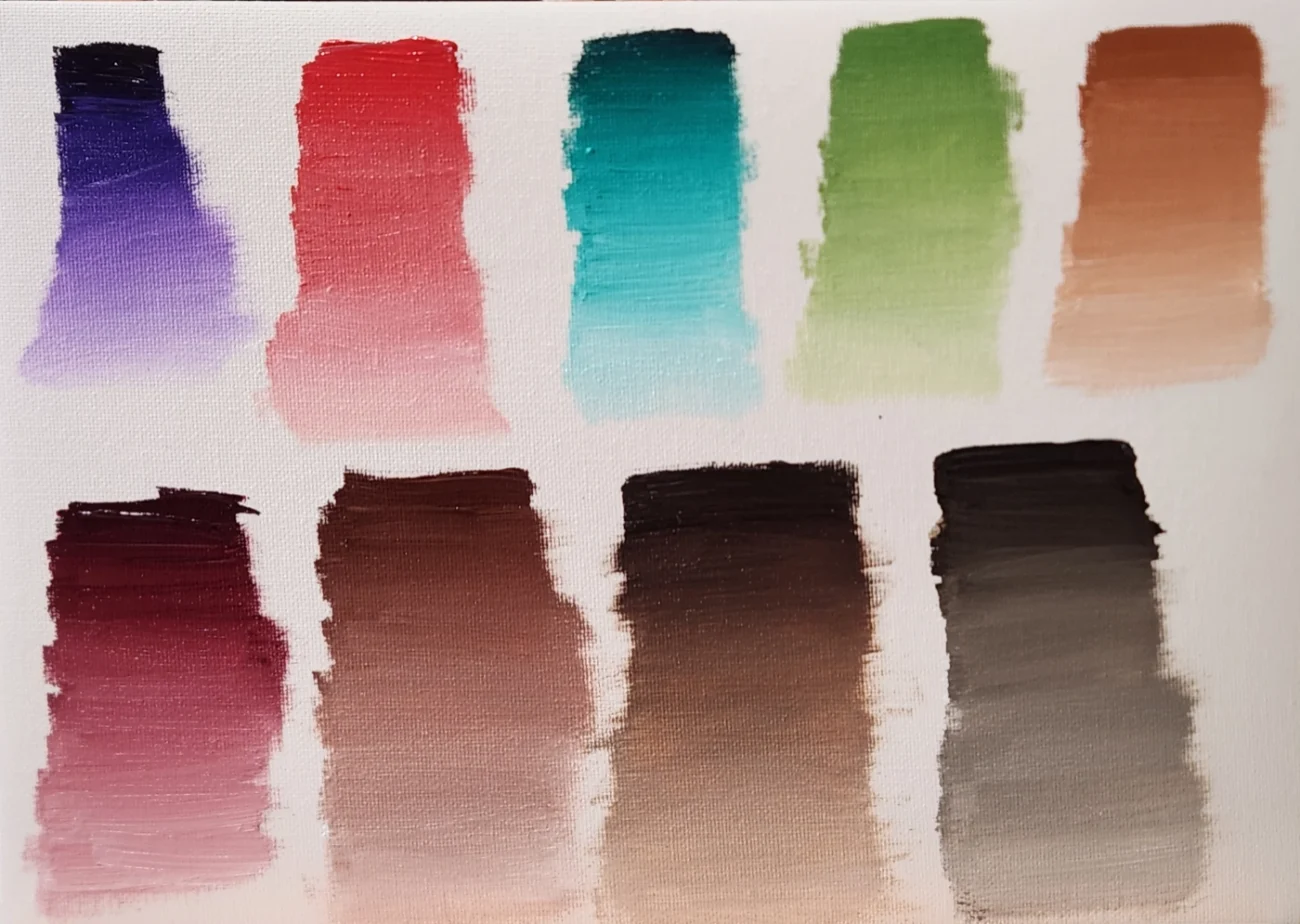
Lithopone White
Some of our lunch time discussion has concerned the choice of white oil paints.
Lead white has become quite expensive, and it can be difficult to obtain, due to its very high toxicity. But some painters still choose to use it, due to its ability to lighten colours without bleaching them.
Recent studies on Zinc white (zinc oxide) have received wide attention on the internet. Although Zinc white had become a safer alternative to Lead white, the studies showed mixtures with Zinc white oil paint quickly become brittle and have severe cracking; it also delaminates, or peels off. Watercolour and acrylics are not affected.
Although Titanium white is a “must have”, it has a very strong cooling effect, and gives a chalky appearance if not controlled well.
Some companies produce a white with Barium Sulphate (sold as Barite or Tinting White), which is semi-transparent and has a low tinting strength. It is not intended for use as a pure white or for making very pale tints, but I found it can lighten colours while retaining their warmth, as shown in these photos.
Another alternative is Lithopone White, a compound of Barium Sulphate and Zinc Sulphide. It was developed in the 1870s as a substitute for the toxic Lead White, and was very popular in the early 1900’s. It’s described as “not as overpowering as Titanium White, but not as gentle as Zinc White”, and “a good alternative for oil painters who have concerns about the permanence of Zinc White, but don’t like the heavy opacity of Titanium White”.
If you have any ideas on this, or other topics, please let us know by using the “Share your tips and ideas” button.
John
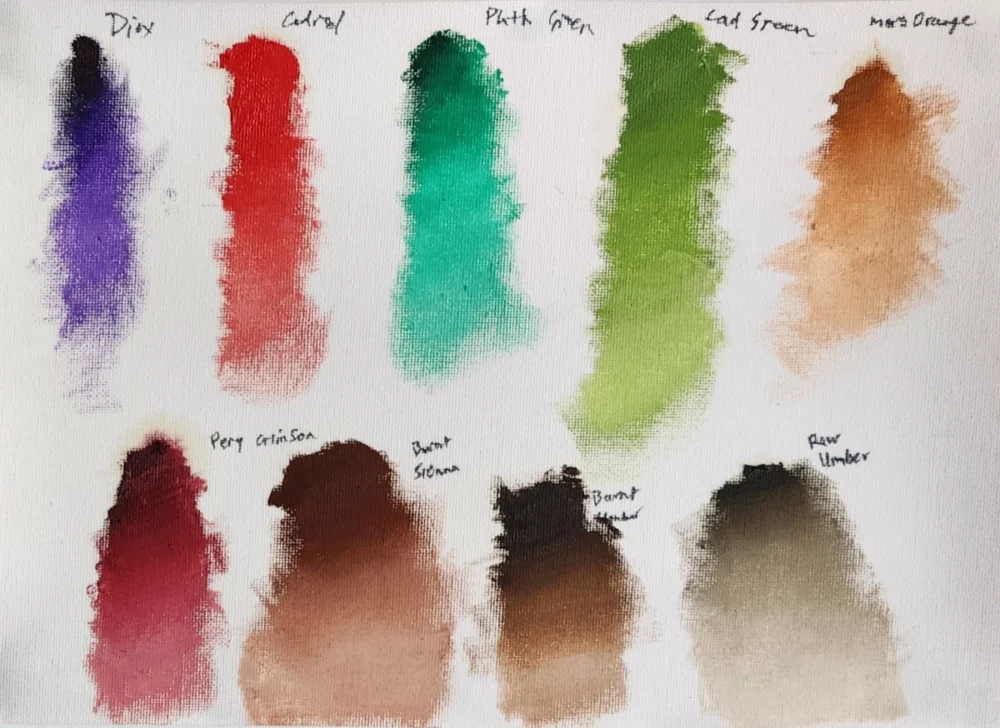
Barium Sulphate White